Introducing Ninjai
The home hub,
reimagined.
A sculptural object that thinks like a system. Screenless. Open. Yours.
Scroll
Introducing Ninjai
A sculptural object that thinks like a system. Screenless. Open. Yours.
A Ninjai film
Design Philosophy
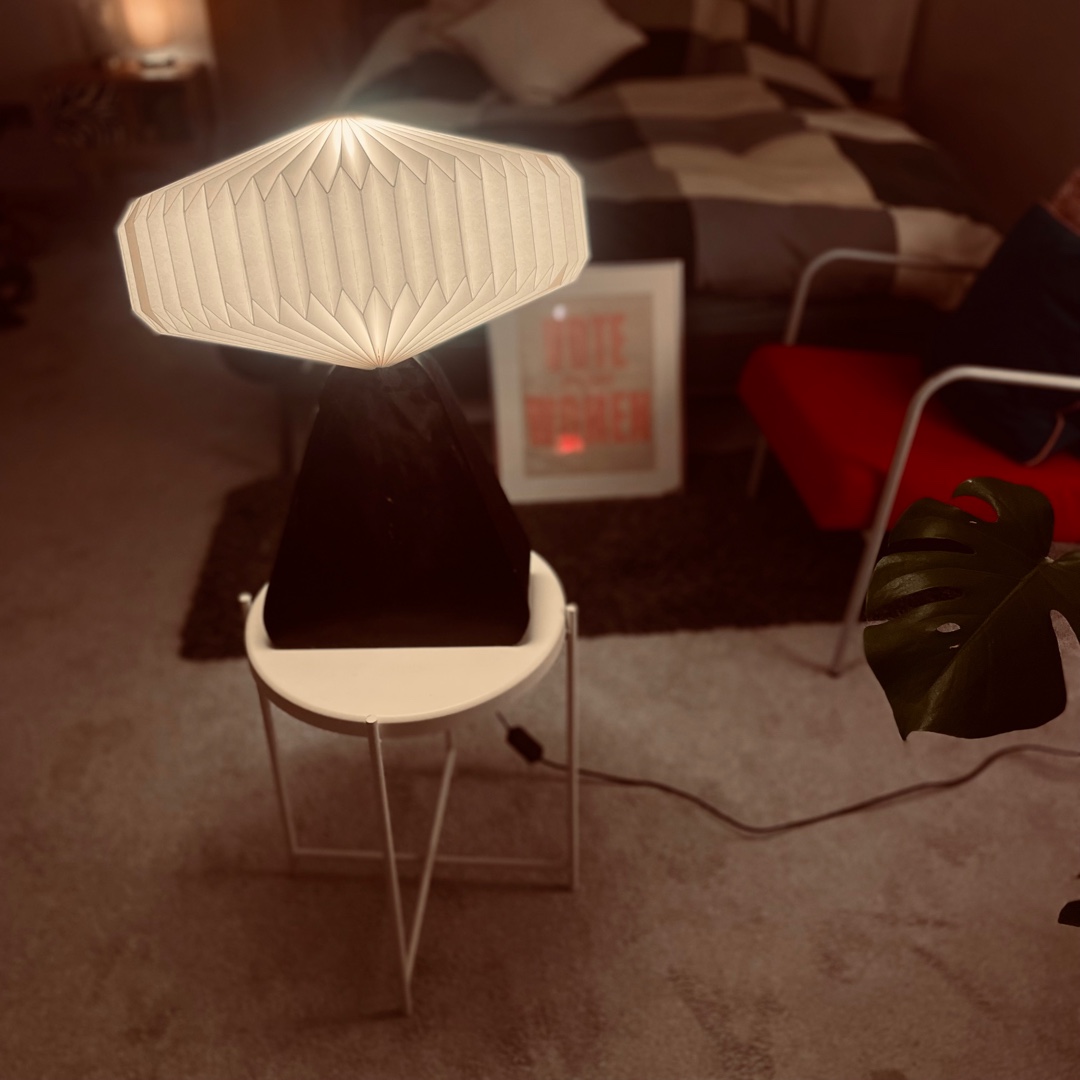
Handcrafted origami paper shade. Klein Blue ceramic base. An acoustic chamber within. Ninjai orchestrates every ecosystem — without belonging to any of them.
The lineup
What's inside
Built on open-source foundations. Mod it. Extend it. Fork it. No cloud keys required to access your own home.
HomeKit, Google Home, Alexa, Matter — Ninjai sits above the ecosystem wars, bridging everything without picking a side.
From ambient audio to room-shaking low end. The internal acoustic chamber is precision-tuned. Woofer reaches 100W. Cinema goes full surround.
The AI engine in Ninjai + and above runs locally. Your automations, routines, and patterns — processed privately, without a cloud subscription.
Lighting
Control every parameter — lux, lumen, colour temperature, circadian rhythm. Add the Ninjai Daylight Kit for therapeutic-grade illumination.
Expand further
10,000 lux SAD therapy attachment. Seasonal, circadian, programmable. Mounts directly to the origami shade.
Pair up to 6 wireless satellites with any Ninjai. Expand your listening space, one room at a time.
Add Zigbee, Z-Wave, or additional USB-C ports. Snap-fit modular slot. No tools required.
The object
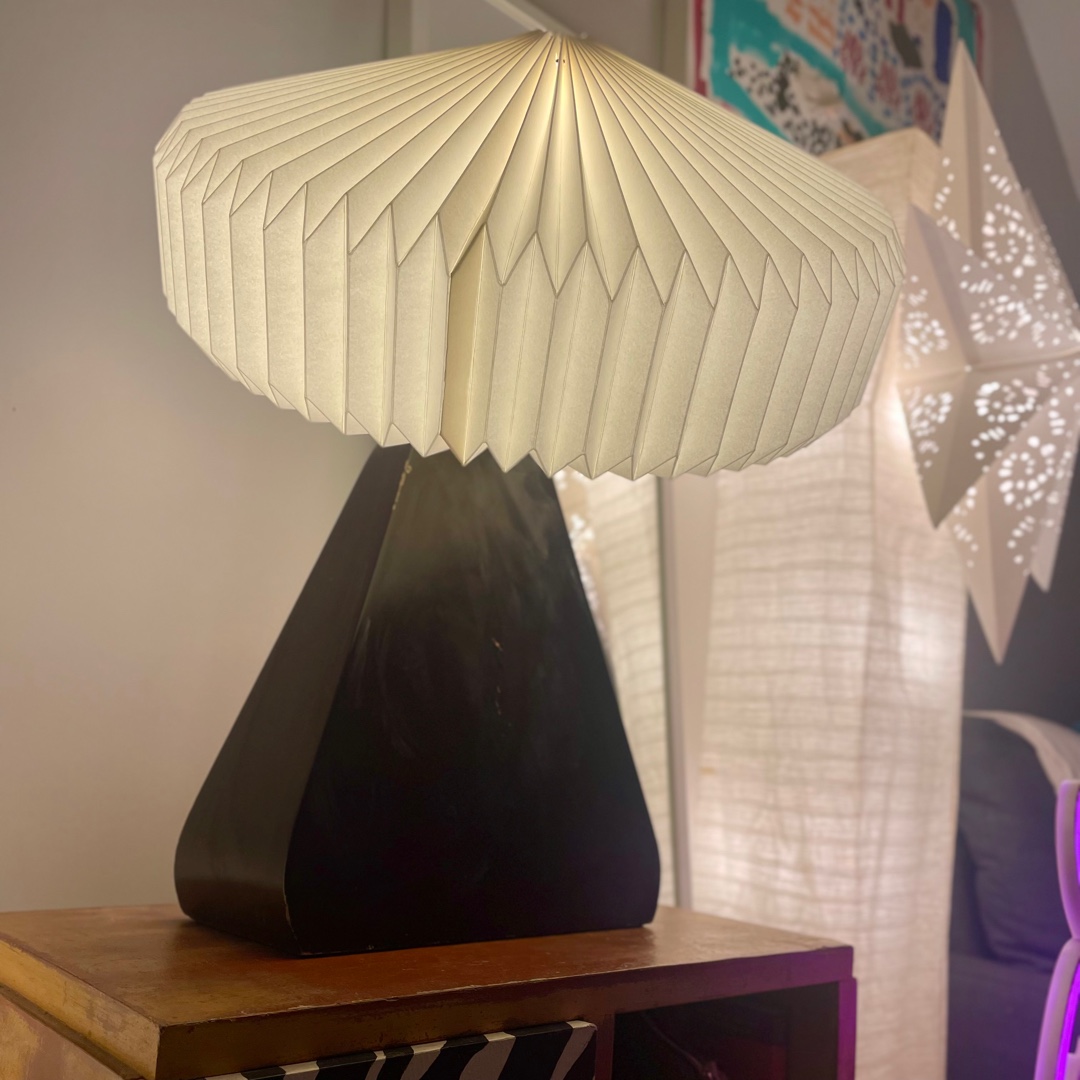
The origami shade is hand-folded from precision-cut paper — each pleat deliberate, each fold a quiet nod to Japanese paper craft. The base is ceramic, finished in International Klein Blue.
Ninjai is the only smart home hub you'd display like a Noguchi lamp.
For builders
Ninjai runs open, community-maintained firmware. No vendor lock. No monthly fee. No one watching. Just a very beautiful piece of hardware doing exactly what you tell it to.
The story
Ninjai began as a form study on a workbench in Donegal. These are the real moments — unfiltered, unpolished — of how a home hub became something worth looking at.
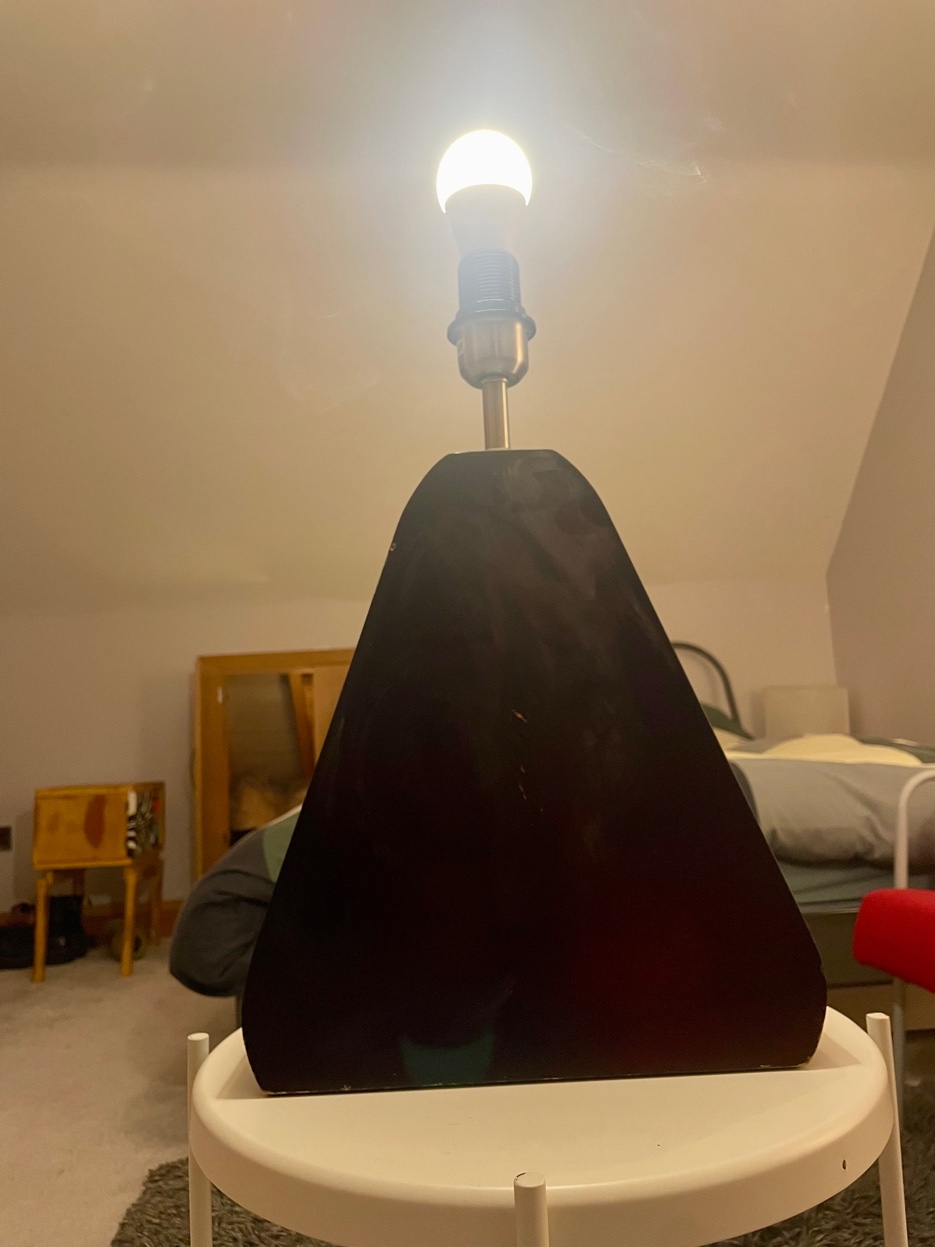
Before the shade, before the name — just the form. A ceramic pyramid, hand-finished, sitting naked under a bare bulb. The geometry felt right immediately.
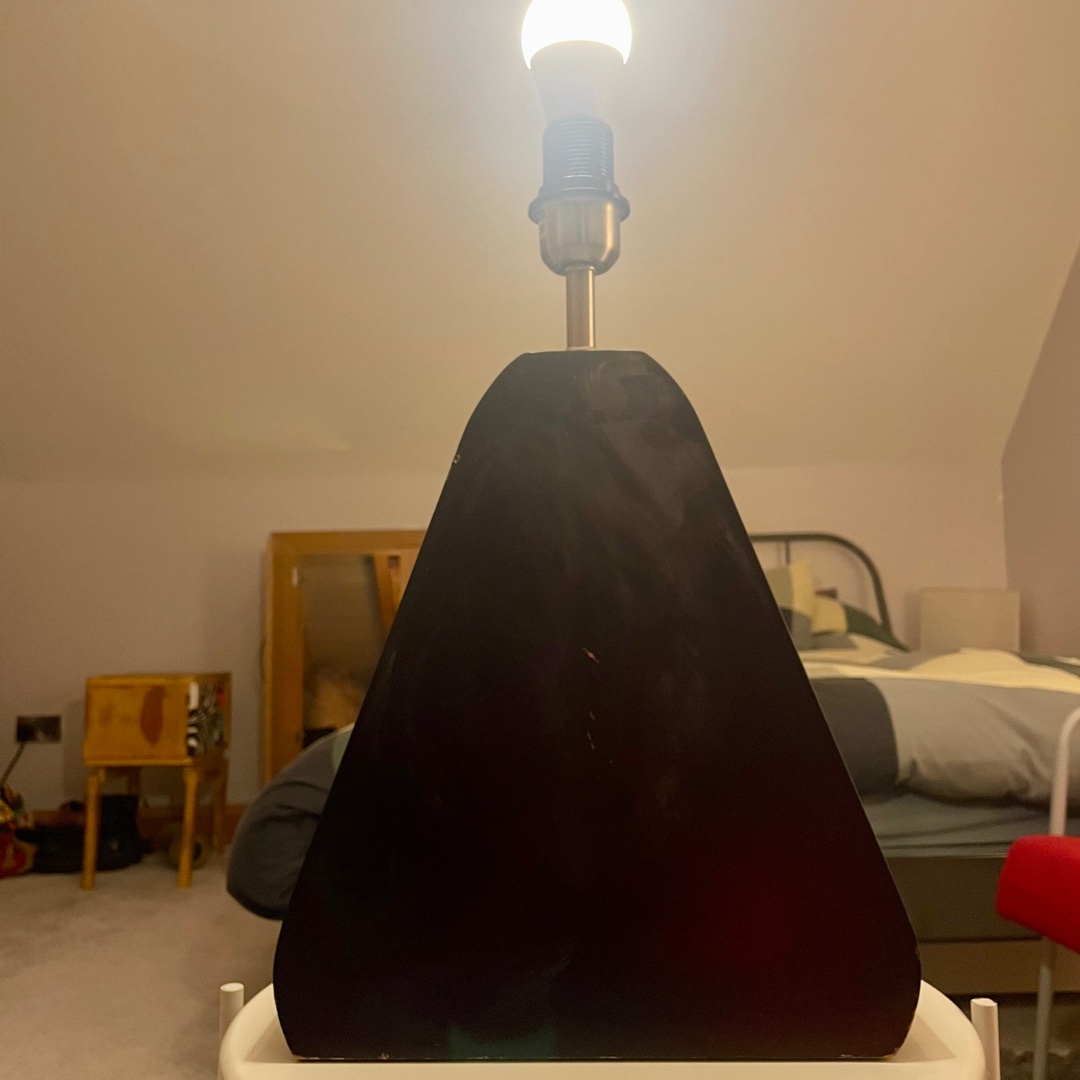
Iterating on the base profile. The truncated pyramid — wider at the base, tapering to the bulb socket — emerged as the defining silhouette. Stable, sculptural, functional.
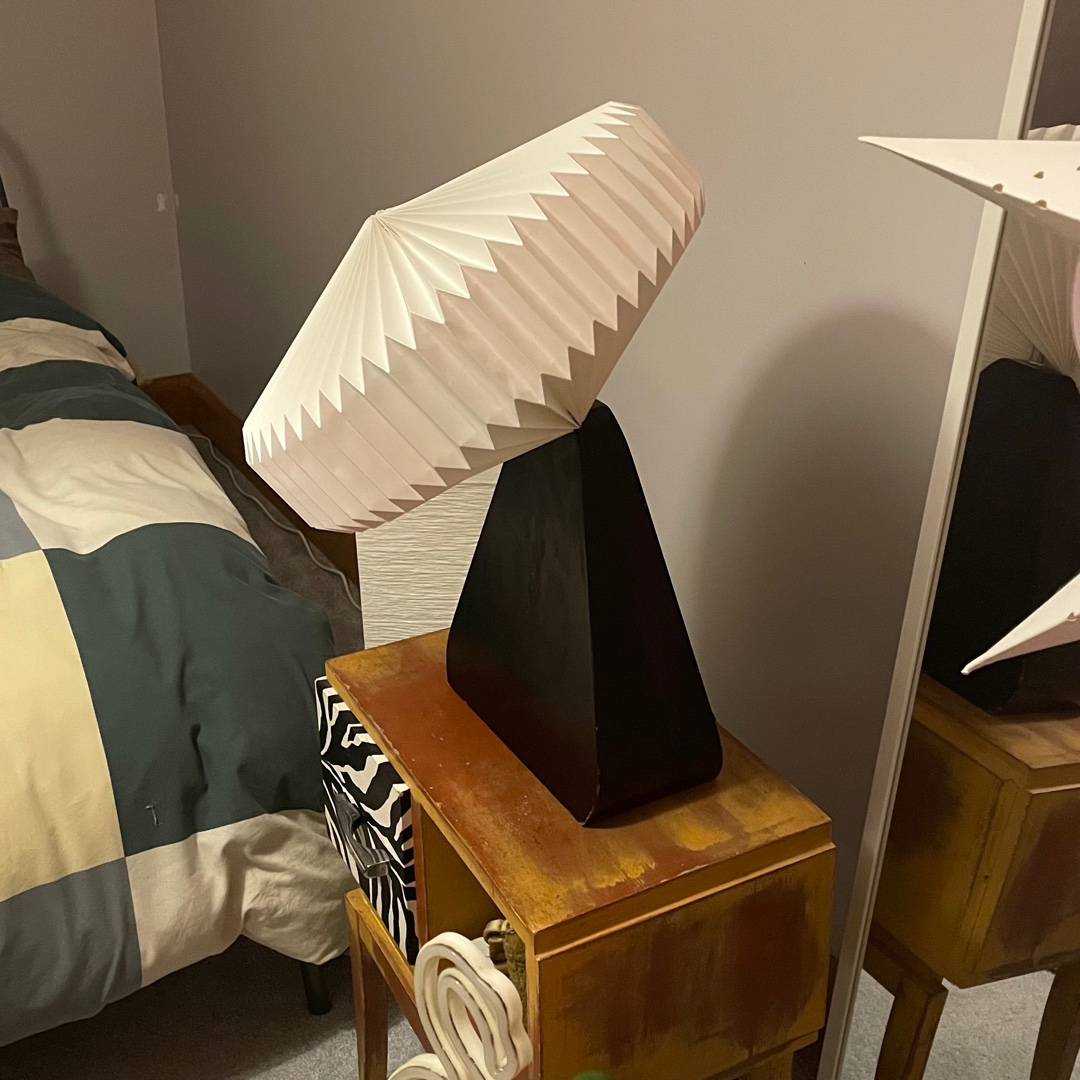
The origami shade arrives — but doesn't sit right yet. The shade is tilted, the proportions slightly off. An honest prototype moment. The paper folding technique was already beautiful though.
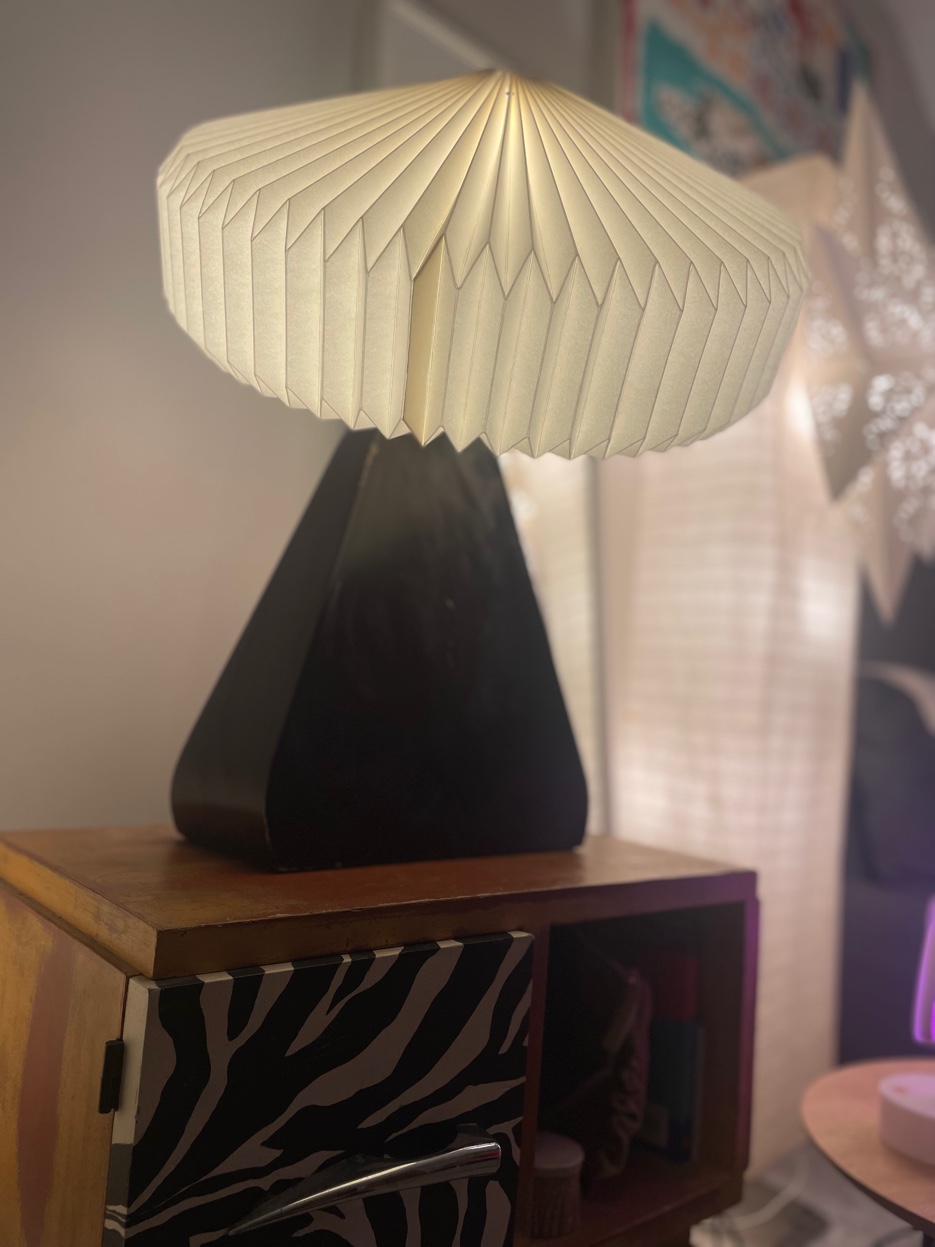
The shade centres, the proportions resolve. Switched on for the first time in a real room — the warm paper glow through the origami folds is exactly what was imagined.
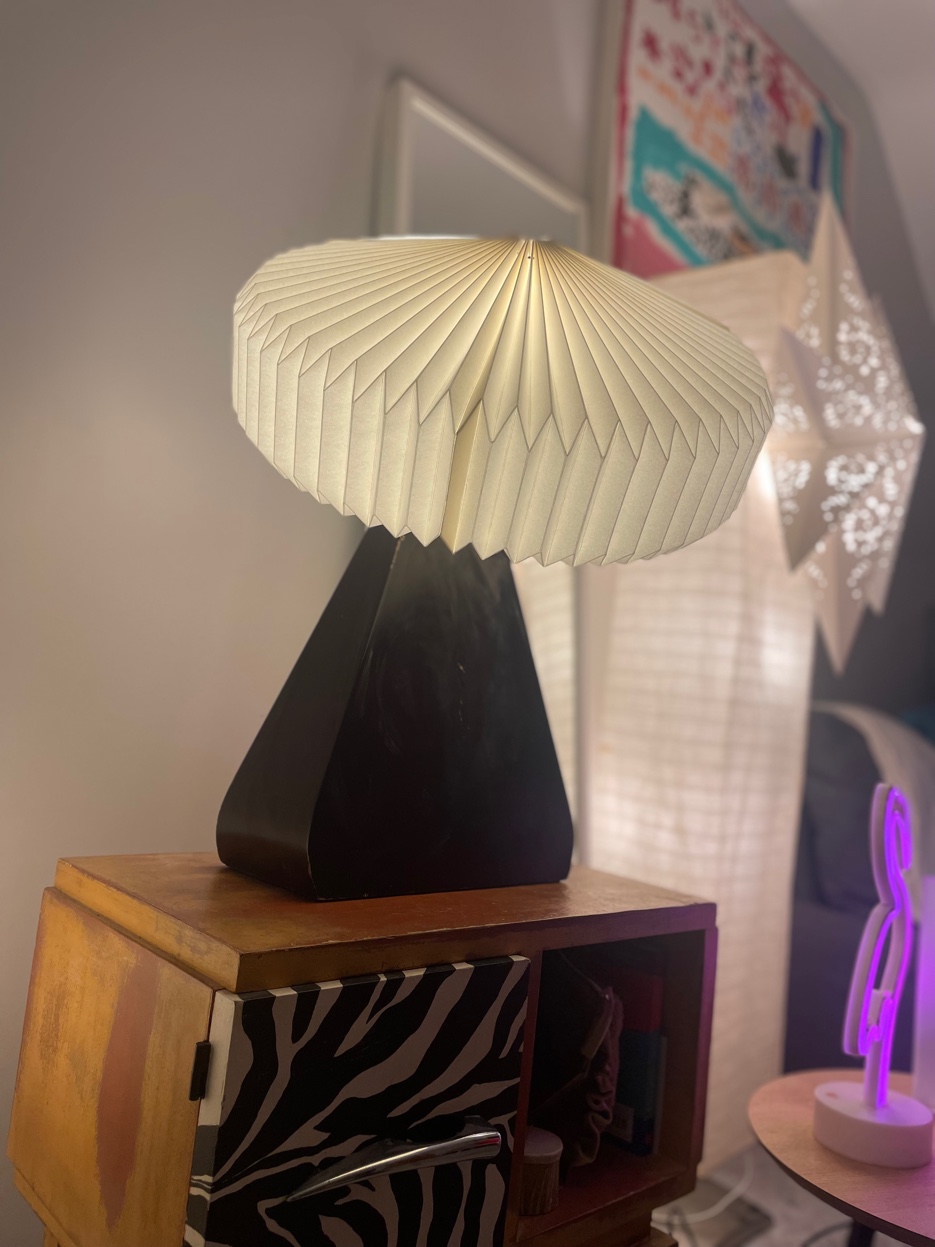
Moved into the bedroom. Living alongside other objects — a mid-century cabinet, zebra-print drawers, art. Ninjai holds its own. It doesn't compete. It belongs.
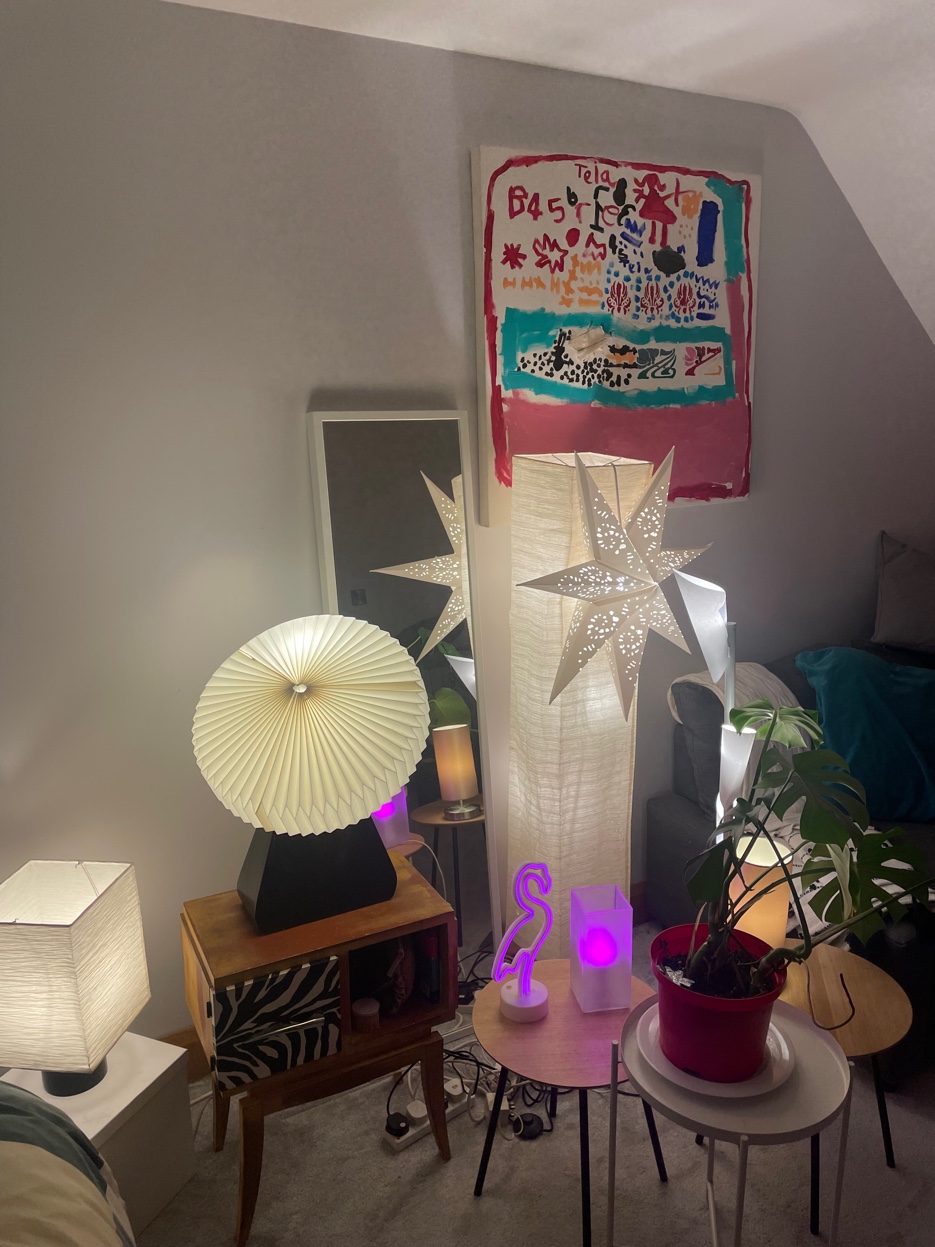
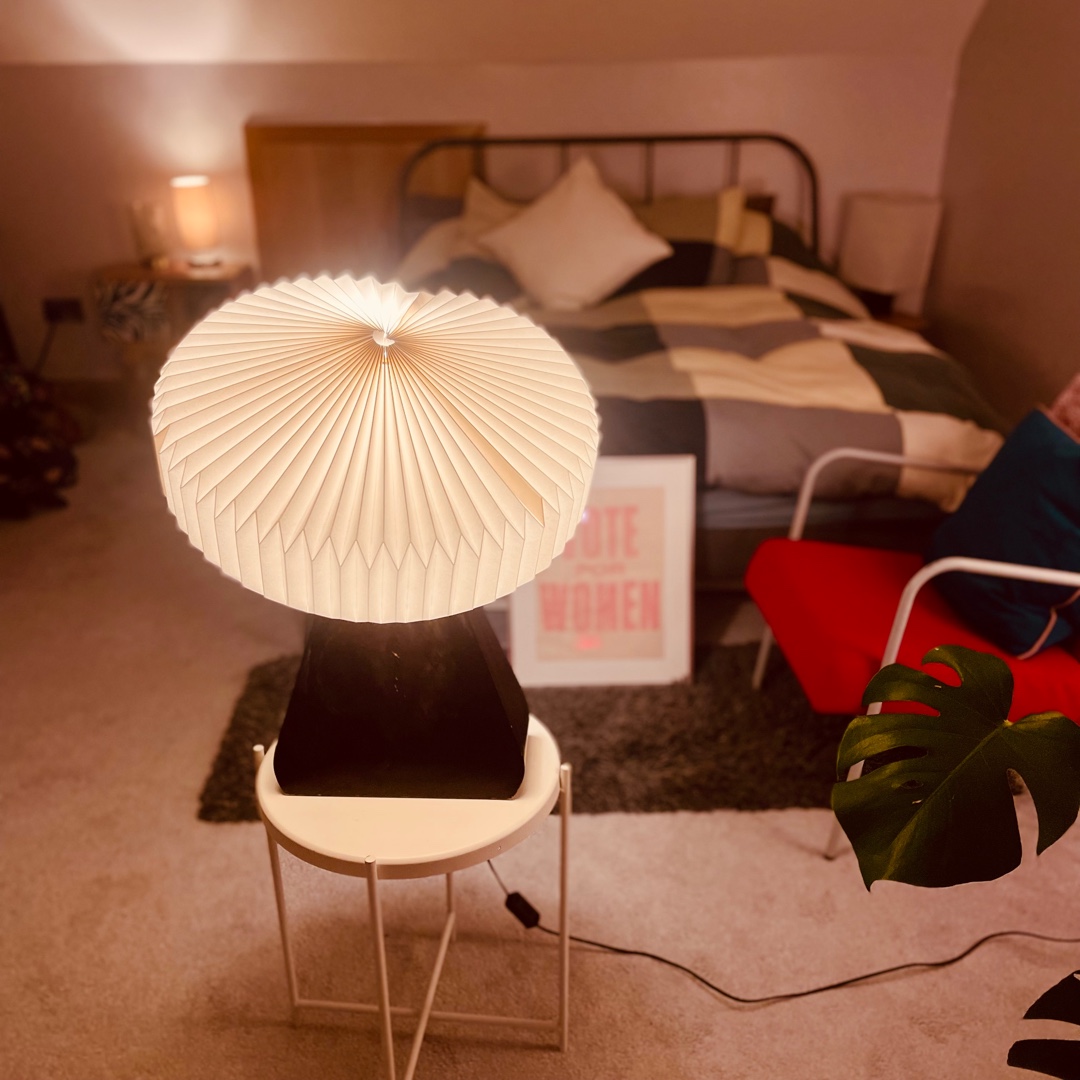
Seen at a distance for the first time, alongside the floor lamp and star lights. The mushroom silhouette reads from across the room. It's unmistakable.
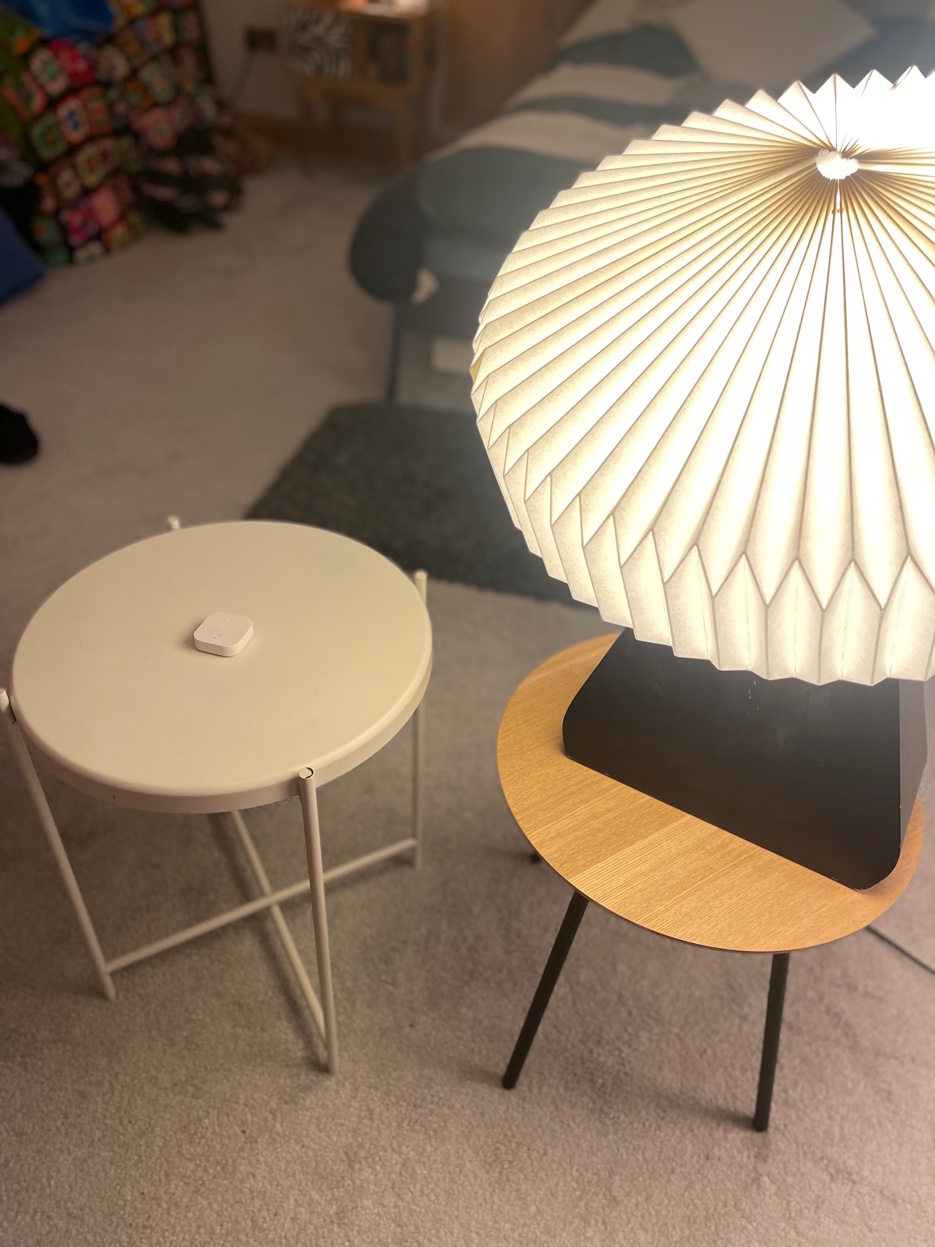
Testing placement on a wire side table. The close-up shade detail — lit from within — reveals the full depth of the origami fold geometry. Each pleat a deliberate decision.
Low light, warm room. The lamp becomes the room's anchor — not just a light source but a presence. This is what Ninjai is for: setting the atmosphere, not just the scene.
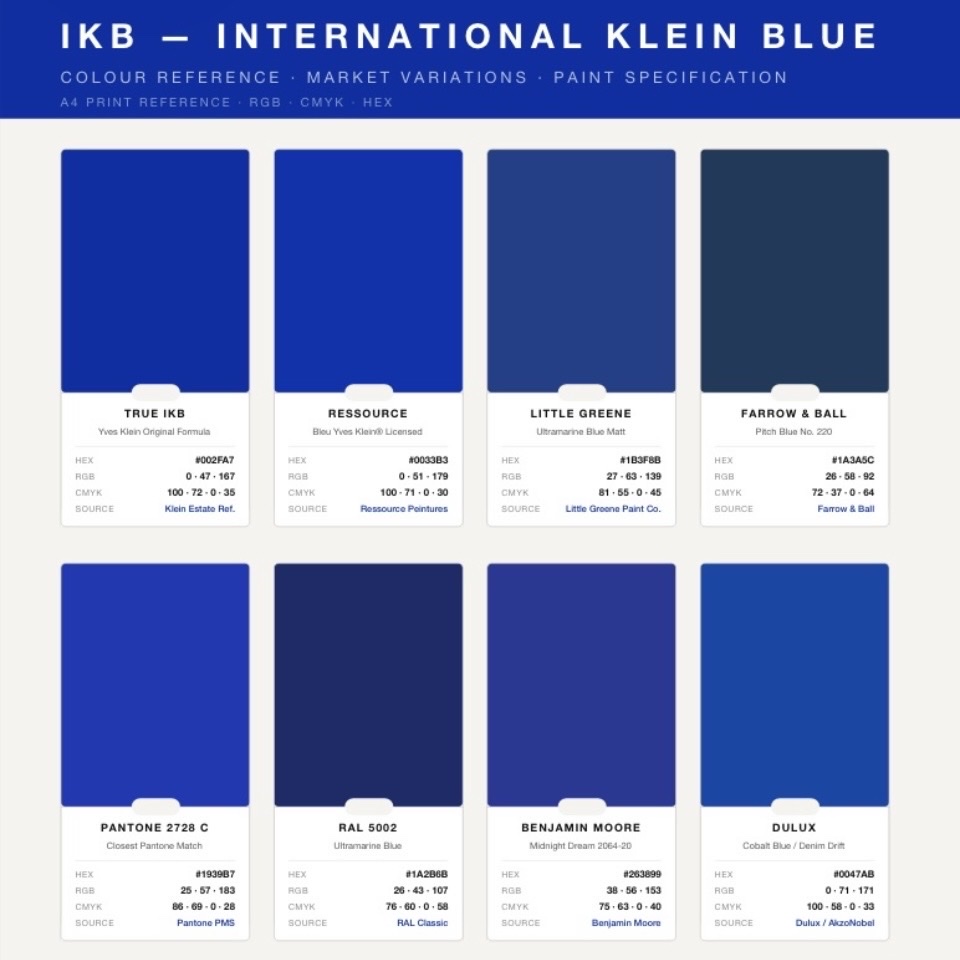
The decision to paint the base in IKB — Yves Klein's registered pigment — transforms it from prototype to object. The ceramic absorbs the colour like nothing else. The Ninjai identity crystallises.
ninjai.pascalmarsh.com goes live. From a bare ceramic form on a workbench in Donegal to a product the world can find. The home hub, reimagined. The story continues.